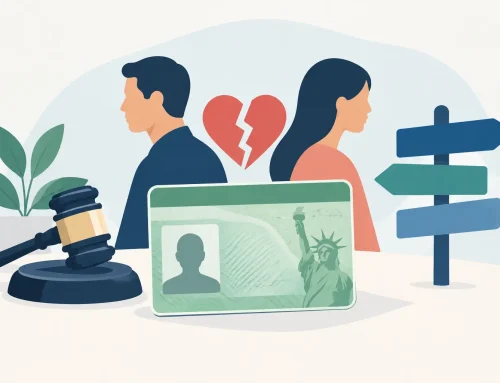


When a spouse uses immigration status as a weapon – threatening deportation, withholding documents, or saying no one will believe you – leaving can feel impossible. A VAWA self petition for an abusive spouse may provide a path to seek immigration protection without relying on that spouse to file paperwork or cooperate.
The Violence Against Women Act, commonly called VAWA, is not limited to women. Eligible survivors of any gender may self-petition for lawful status when they have suffered battery or extreme cruelty by a U.S. citizen or lawful permanent resident spouse. The process is private, evidence-driven, and often emotionally difficult. Knowing what it requires can help you make decisions from a safer, more informed position.
What a VAWA self-petition can do
In a typical family-based immigration case, a U.S. citizen or green card holder files a petition for their spouse. That arrangement gives an abusive spouse dangerous leverage. They may refuse to file, threaten to withdraw a petition, hide mail from immigration authorities, or use a pending green card case to force someone to remain in an unsafe home.
A VAWA self-petition changes that. Rather than depending on the abusive spouse, the survivor files Form I-360 with U.S. Citizenship and Immigration Services. If USCIS approves the petition and a visa number is available, the survivor may be able to apply for a green card. In some situations, children can be included or may have their own protections.
A VAWA case does not require the abusive spouse’s permission, signature, financial records, or participation. USCIS also has confidentiality rules intended to prevent the agency from disclosing case information to the alleged abuser. That protection matters, but it does not replace a personal safety plan. If there is an immediate threat of harm, call 911 or seek help from local domestic violence resources.
Who may qualify for a VAWA self-petition?
A successful case requires more than showing that a marriage ended badly. The law looks at specific facts, including the immigration status of the abusive spouse and the history of the relationship.
Generally, a person seeking a VAWA self-petition must show that they are or were married to a U.S. citizen or lawful permanent resident who subjected them to battery or extreme cruelty. They must also show that the marriage was entered in good faith, not solely to obtain an immigration benefit; that they lived with the spouse at some point; and that they have good moral character.
You may still have options if you are divorced. In many cases, a person can file within two years after a divorce if the divorce was connected to the abuse. The details matter. A spouse’s loss of permanent resident status, a death, a remarriage, criminal history, prior immigration filings, or a removal case can all affect the analysis. Do not assume a divorce, separation, or denied marriage-based case automatically ends your opportunity to seek protection.
Abuse is not limited to physical violence
Many survivors hesitate because there are no visible injuries, no police report, or no single event they can point to. VAWA recognizes battery and “extreme cruelty,” which can include conduct meant to control, intimidate, isolate, humiliate, or frighten a spouse.
Physical violence may be part of a case, but so may threats to report someone to immigration authorities, control over money and transportation, forced isolation from family, constant surveillance, sexual coercion, destruction of personal documents, or repeated degradation designed to create fear. The behavior must be evaluated in the context of the relationship. An argument or ordinary marital conflict is not enough, but abuse is often a pattern rather than one dramatic incident.
This distinction is especially important for immigrants whose abuser has carefully avoided leaving obvious proof. Your experience does not become less serious simply because it happened behind closed doors.
Evidence should tell the real story
USCIS allows a VAWA self-petitioner to submit many forms of evidence. There is no single document that every survivor must have. Police reports, protection orders, medical records, photographs, text messages, emails, and recordings may help when they are available and safe to obtain.
Other evidence can be equally meaningful. A detailed personal declaration often forms the center of the case. It should explain how the relationship began, why the marriage was genuine, where the couple lived, what abuse occurred, and how it affected the survivor. Counseling records, letters from friends or relatives who witnessed changes in your life, shelter records, school records, and statements from clergy or community members may support the account.
Evidence of a good-faith marriage can include a marriage certificate, photographs, shared lease documents, joint bills, insurance, travel records, messages, or affidavits from people who knew the couple. The goal is not to produce a perfect file. It is to present credible, organized evidence that allows USCIS to understand the marriage and the abuse.
Be careful about collecting proof if doing so could alert the abuser or increase danger. A legal strategy should never require you to take risks that compromise your safety.
Filing is only one part of the immigration strategy
The I-360 petition is a major step, but it may not be the only filing needed. Whether you can file for adjustment of status at the same time depends on factors such as the abusive spouse’s citizenship, visa availability, your immigration history, and whether you are in removal proceedings.
Some self-petitioners may receive a prima facie determination while USCIS reviews the case. This is not an approval, but it can help establish eligibility for certain public benefits in some states. USCIS may also make a bona fide determination that can lead to deferred action and work authorization eligibility while a petition is pending. After approval, qualifying petitioners may seek work authorization under a different category.
The timing and available benefits can vary. Someone who entered without inspection, has a prior removal order, used inaccurate information in an earlier filing, or faces immigration court should obtain individualized advice before filing. A VAWA petition can be a powerful remedy, but filing the wrong forms at the wrong time can create avoidable complications.
A VAWA case is separate from divorce and custody
Immigration protection does not resolve every family-law issue. A VAWA self-petition does not automatically create a divorce, determine child custody, establish child support, or provide a restraining order. Those matters may need to be addressed through Florida family court or the court in the state where you live.
At the same time, immigration and family-law decisions can affect one another. A parent may need a safety-focused custody plan. A person leaving the marital home may need to preserve financial records. Someone considering divorce may need to understand the VAWA filing deadline and how the reason for divorce should be documented. Coordinated legal advice can protect both immigration options and family stability.
Protect your privacy from the start
Use a safe mailing address whenever possible. Do not rely on an email account, phone, computer, cloud storage account, or postal mailbox that an abusive spouse can access. Change passwords from a safe device, turn off location sharing, and think carefully before discussing the case with people who may report back to the abuser.
Keep copies of immigration notices and evidence in a secure place. If you move, follow USCIS procedures to update your address safely rather than allowing important notices to go to a shared residence. Confidentiality protections are meaningful, but practical digital and physical safety measures remain essential.
No survivor should have to choose between safety and the chance to remain lawfully in the United States. If your spouse has used fear, control, or immigration status against you, a private consultation can help you understand your options, protect important deadlines, and take the next step on your own terms.