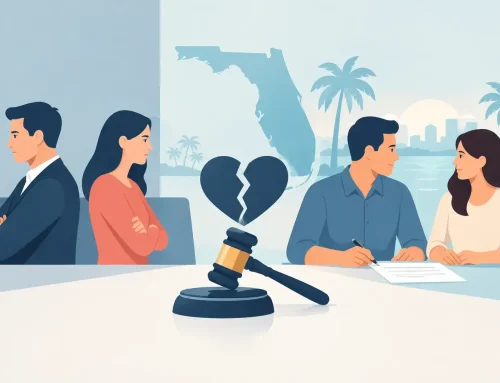


A divorce can change where you live, how you support your children, and how your property is divided. For a noncitizen spouse, divorce visa consequences may also raise an urgent question: Can I remain in the United States? The answer depends on the immigration benefit you have, the stage of your case, and the facts behind the marriage and separation.
Divorce does not automatically mean deportation. But waiting to address the issue can put a pending application, conditional green card, or citizenship plan at risk. The right strategy starts with identifying your exact status before signing immigration forms, withdrawing a petition, or making assumptions based on what happened in another family’s case.
Your immigration status determines what divorce changes
U.S. immigration law treats a pending marriage-based case very differently from a permanent resident card that has already been issued. A divorce case in Florida is handled in family court, while your immigration benefit is controlled by federal law. Those processes may overlap, but one does not decide the other.
If your spouse filed an I-130 petition and you have not yet received a green card, a divorce generally ends the marriage-based path. The U.S. citizen or permanent resident petitioner can withdraw the petition, and USCIS will usually deny a pending adjustment-of-status or consular-processing case once the marriage has legally ended.
Separation alone is more complicated. Some married couples live apart while trying counseling, resolving safety concerns, or managing a difficult divorce process. USCIS looks at whether the marriage was entered in good faith, not simply whether the relationship later survived. Still, a couple with a pending case should be truthful about a separation and should get legal advice before attending an interview or submitting additional evidence.
Divorce visa consequences for conditional green card holders
Many spouses who receive permanent residence through a newer marriage are granted a conditional green card valid for two years. Normally, both spouses file Form I-751 together during the 90 days before the card expires. A divorce can make a joint filing impossible, but it does not necessarily end the conditional resident’s ability to obtain a 10-year green card.
A conditional resident may request a waiver of the joint-filing requirement based on a good-faith marriage that ended in divorce or annulment. This requires evidence that the marriage was real when it began, even though it ultimately failed. USCIS may look for documents showing that the couple built a life together, such as a lease or deed, joint bank records, insurance, tax filings, photographs, messages, travel records, and statements from people who knew the relationship.
The divorce must generally be final before USCIS approves a waiver based on divorce. If the divorce is still pending when the I-751 is due, the conditional resident should not let the filing deadline pass. A carefully prepared filing may explain the pending divorce and provide proof that the case was filed, with the final judgment submitted when available.
Abuse can create another path
A spouse should never feel required to remain in an abusive relationship to preserve immigration status. Conditional residents who experienced battery or extreme cruelty may be eligible for an I-751 waiver without their spouse’s cooperation. In some situations, abused spouses of U.S. citizens or lawful permanent residents may also have options under the Violence Against Women Act, commonly called VAWA.
Abuse is not limited to physical violence. Threats, coercive control, isolation, financial control, immigration-related threats, and serious emotional abuse may matter. Every case requires a careful review. Safety should come first, and documents should be gathered in a way that does not increase danger.
What if you already have a 10-year green card?
A divorce after you receive a 10-year green card does not automatically cancel your lawful permanent resident status. You may generally continue living and working in the United States and may renew your card when it expires.
However, the circumstances of the original marriage can still be reviewed in certain situations. USCIS may question whether the marriage was genuine if there are signs it was entered solely to obtain an immigration benefit. A legitimate marriage can end quickly or painfully. What matters is whether both spouses intended to build a real life together when they married.
Divorce can also affect the timing of citizenship. A permanent resident married to and living with a U.S. citizen may qualify to apply for naturalization after three years, if all requirements are met. After divorce, that person may need to qualify under the standard five-year rule instead. The exact date matters, as do continuous residence, physical presence, good moral character, and other eligibility requirements.
Fiancé visas and divorce shortly after marriage
A person admitted on a K-1 fiancé visa must marry the U.S. citizen petitioner within 90 days of arrival. The K-1 holder generally cannot adjust status through a different spouse if that original marriage does not occur. If the couple marries and then separates, the facts and timing need close attention.
A quick divorce is not proof of marriage fraud. Relationships sometimes break down soon after a wedding because of incompatibility, deception, abuse, or circumstances that were not clear before marriage. But a short marriage often brings more scrutiny. Keep records that show the relationship was genuine, and do not exaggerate, alter, or create documents to make the case look stronger. False statements can create serious immigration consequences well beyond the divorce itself.
Protect your case before documents disappear
Divorce is emotionally exhausting, and immigration paperwork can feel impossible to face at the same time. Still, certain steps should not wait. Preserve copies of immigration filings, notices, passports, green cards, marriage certificates, divorce pleadings, tax returns, shared financial records, and communications relevant to the relationship.
Do not sign an affidavit, withdrawal letter, settlement document, or immigration form you do not understand. A family-law agreement may address property, support, and parenting issues, but statements in those documents can later be reviewed in an immigration case. For example, language suggesting the marriage was never real can be especially harmful when a conditional resident needs to prove a good-faith marriage.
You should also keep USCIS informed of a change of address. Missing a notice, interview date, request for evidence, or removal hearing because mail went to a former shared home can make a difficult case much harder.
When divorce may lead to removal concerns
The risk is greatest when a person has no independent immigration status and a marriage-based application is denied, withdrawn, or terminated. USCIS may issue a notice placing someone in removal proceedings, or a person may face immigration court after another status expires.
That does not mean there are no options. Depending on the facts, a person may have a waiver, a family-based path through a different qualifying relative, humanitarian relief, asylum-related protection, employment-based options, or a defense in removal proceedings. The available strategy depends on the person’s immigration history, entries into the United States, prior applications, criminal history, family circumstances, and the evidence available.
A U.S. citizen spouse also has concerns. Filing an I-130 does not automatically make a spouse legally responsible for every immigration issue, but signing an Affidavit of Support can create financial obligations that may continue after divorce. The obligations under Form I-864 do not necessarily end when the marriage ends. This is one reason both spouses should understand the immigration and family-law consequences before finalizing major decisions.
Get advice that accounts for both sides of the case
When divorce and immigration collide, generic advice can be dangerous. A family-law strategy that makes sense for property division or child custody may need to be reviewed alongside the immigration record. Likewise, an immigration filing should not ignore the safety, financial, and parenting realities driving the divorce.
Fletcher Law Office helps clients assess the immediate risks, preserve the right evidence, and pursue a case-specific path forward in both immigration and family-law matters. Whether you are seeking a waiver after a good-faith marriage ended, responding to a threatened petition withdrawal, or preparing for divorce while protecting your status, prompt legal guidance can give you clarity before a deadline closes.
Your marriage ending does not erase your history, your safety needs, or every possibility for remaining in the United States. Get clear answers early, keep your records secure, and make decisions based on your own immigration facts rather than fear.